

[vc_row][vc_column][vc_column_text css=””]As the temperature drops in Amarillo, many homeowners begin preparing their homes for the colder months. If you have an inground pool, it’s essential to remember one of the most important maintenance steps: winterizing your pool. Whether you’ve had your inground pool for years or you’re planning to build one soon, understanding how to winterize a pool is crucial to protect your investment.
At Pools Out Back, we know that proper seasonal maintenance sets you up for a smooth, stress-free reopening come spring, and we’re here to help you get there. In this guide, we’ll walk through essential steps every homeowner should take, offer expert winter pool maintenance tips, and help you avoid costly repairs from freeze damage.
Why Winterizing Your Pool Matters
Freezing temperatures can wreak havoc on an unprotected pool. When water freezes, it expands, and that expansion can damage pipes, pool liners, and even the pool structure itself. By winterizing inground pools properly, you can prevent pool freeze damage, reduce algae growth, and prolong the life of your pool equipment.
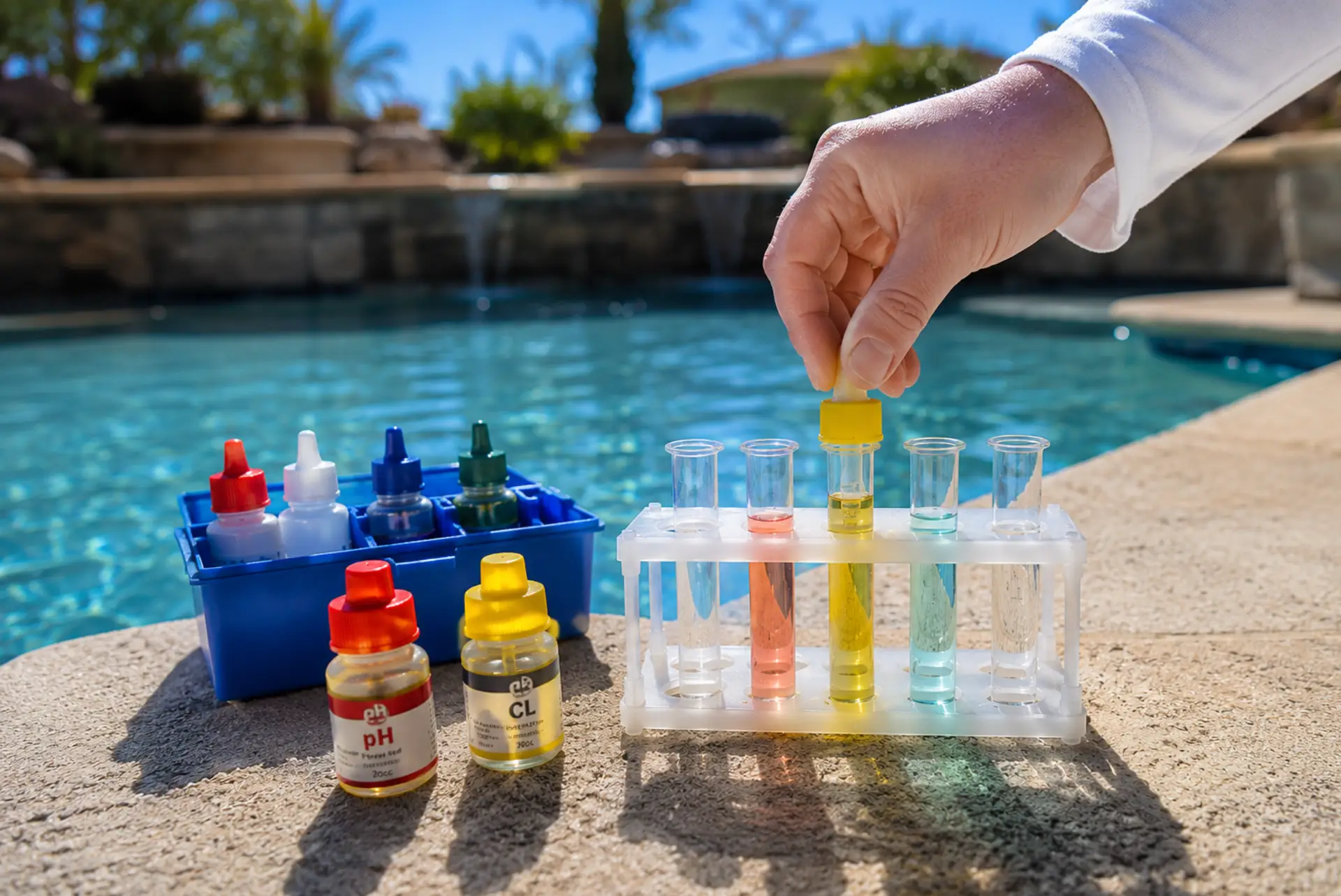
Step 1: Test and Balance the Water
Before you close your pool, make sure your water chemistry is balanced. This includes checking and adjusting:
- pH levels (between 7.2 and 7.6)
- Alkalinity (between 80 and 120 ppm)
- Calcium hardness (between 200 and 400 ppm)
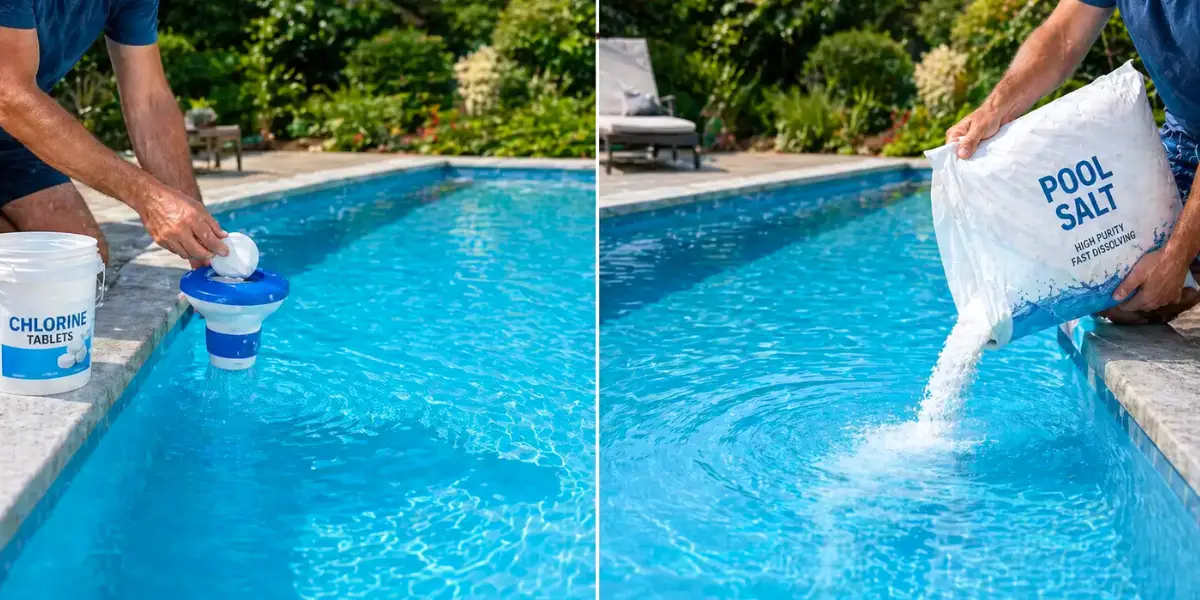
- Chlorine or sanitizer levels (1-3 ppm)
Balanced water helps prevent corrosion, scale buildup, and algae growth during the winter. We recommend testing your water several days in advance so you have time to make necessary adjustments.
Step 2: Deep Clean the Pool
Cleaning your pool thoroughly before closing it for the season helps reduce the chance of stains, algae, and cloudy water. Take these steps to thoroughly clean your pool for winter:
- Skim the surface
- Brush the walls
- Vacuum debris from the floor
- Clean out skimmer baskets and pump baskets
- If needed, backwash your filter
Step 3: Lower the Water Level
To protect your pool in winter, you’ll need to lower the water level—how much depends on the type of pool cover you’re using. For mesh covers, lower the water 12 to 18 inches below the skimmer. For solid covers, aim for 3 to 6 inches below the tile line. This helps prevent freeze damage in the plumbing and ensures a proper fit for the cover.
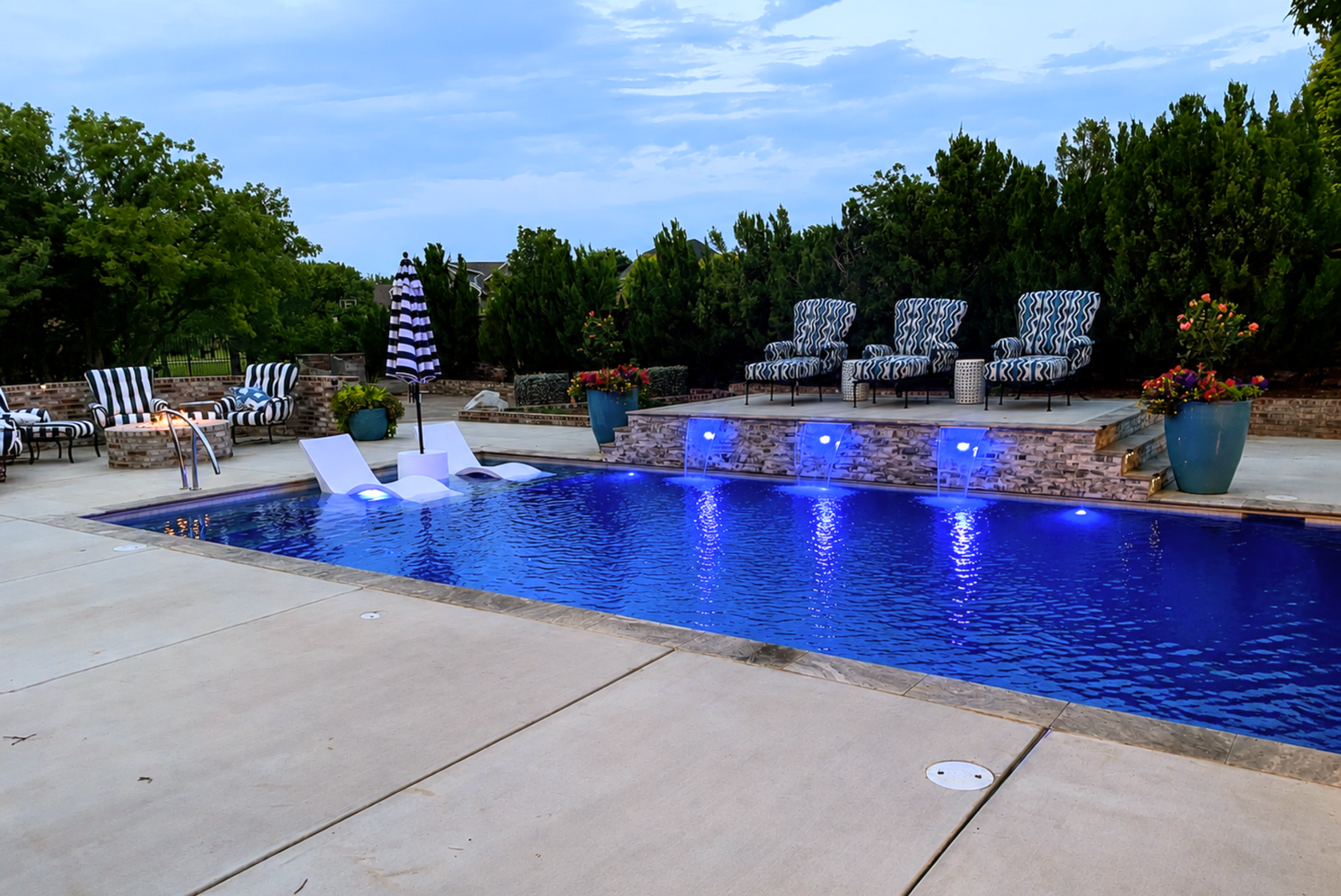
If your pool has special features like tanning ledges or beach entry, talk to your pool contractor about how much water to remove to prepare your pool for winter.
Step 4: Drain Pool Equipment and Lines
Water left inside your pipes and equipment can freeze and expand, causing expensive damage. Use a shop vac or air compressor to blow out all the water from your pump, filter, heater, and return lines. Once drained, plug the lines and add non-toxic antifreeze as an extra precaution if you’re unsure all water has been removed.
Store removable equipment like ladders and skimmer baskets indoors to protect them from the elements. Be sure to follow your equipment manufacturer’s instructions or consult a professional if you’re unsure how to properly winterize plumbing or use antifreeze.
Step 5: Add Winterizing Chemicals
Use a winterizing chemical kit designed to maintain water clarity and control algae growth during the off-season. This usually includes an algaecide, a chlorine-free shock, and a stain prevention product. Adding these chemicals after cleaning and before covering the pool gives you the best results for winter pool care.
Step 6: Install a Winter Pool Cover
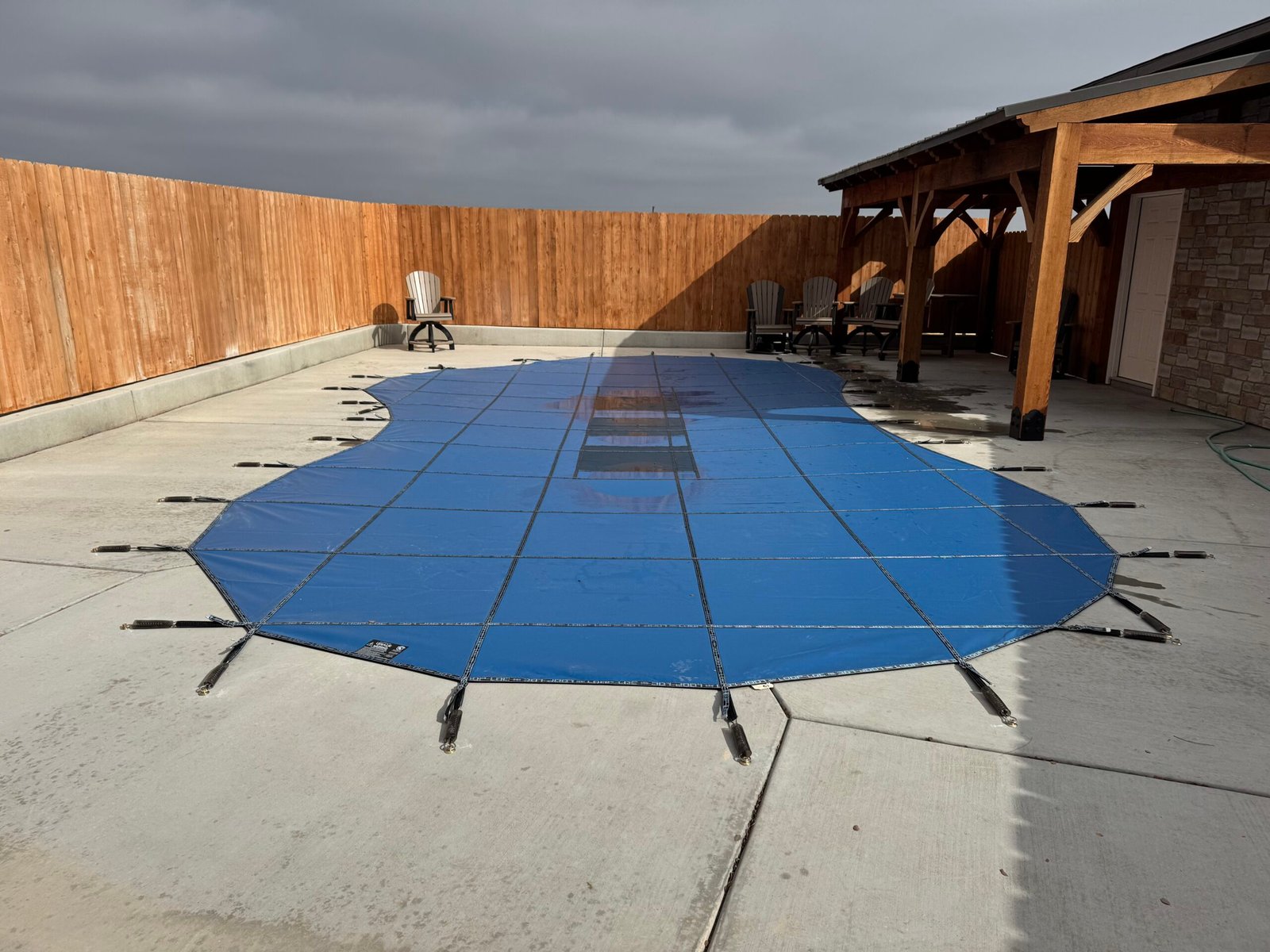
A quality pool cover is your first line of defense against debris, sunlight, and freezing temperatures. For winter pool cover tips, make sure the cover fits securely and is free of holes or tears. Consider using a pool cover pump to remove excess water that may accumulate over time.
If you’re not using a solid safety cover, add water bags or cover clips to hold it in place. A properly installed cover also helps retain the balance of your pool chemistry and keeps curious critters out.
Many homeowners find that automatic pool covers make pool maintenance easier. At Pools Out Back, 90% of our customers have chosen an automatic pool cover, and we can help you find the right one for you, too.
Don’t Skip Winter Maintenance Checks
Even after winterizing, it’s smart to check your pool occasionally throughout the season. Keep the cover secure, remove excess snow or standing water, and ensure everything stays in place. These simple check-ins can go a long way in maintaining your pool’s condition and preventing damage.
Thinking About Building a Pool?
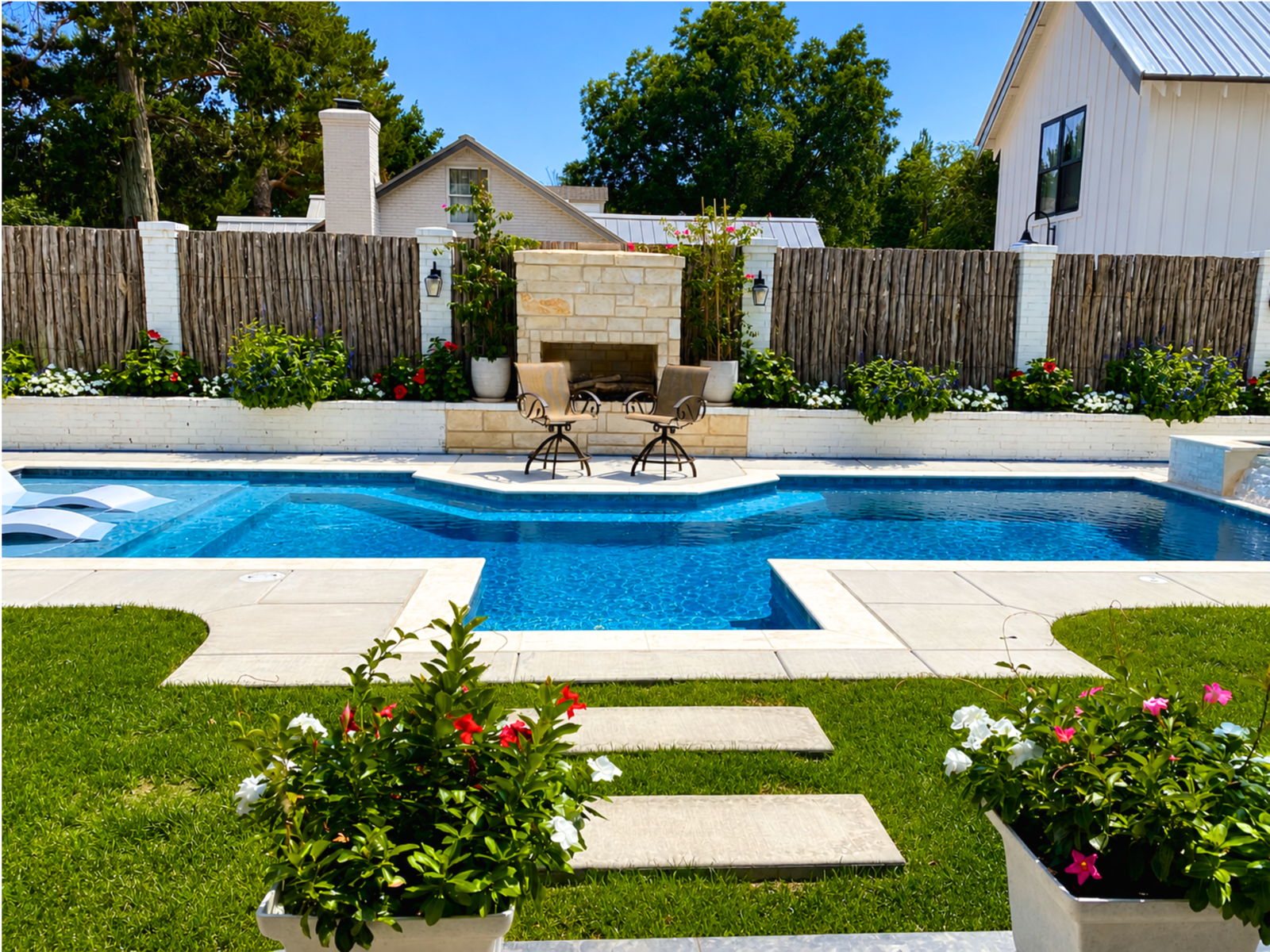
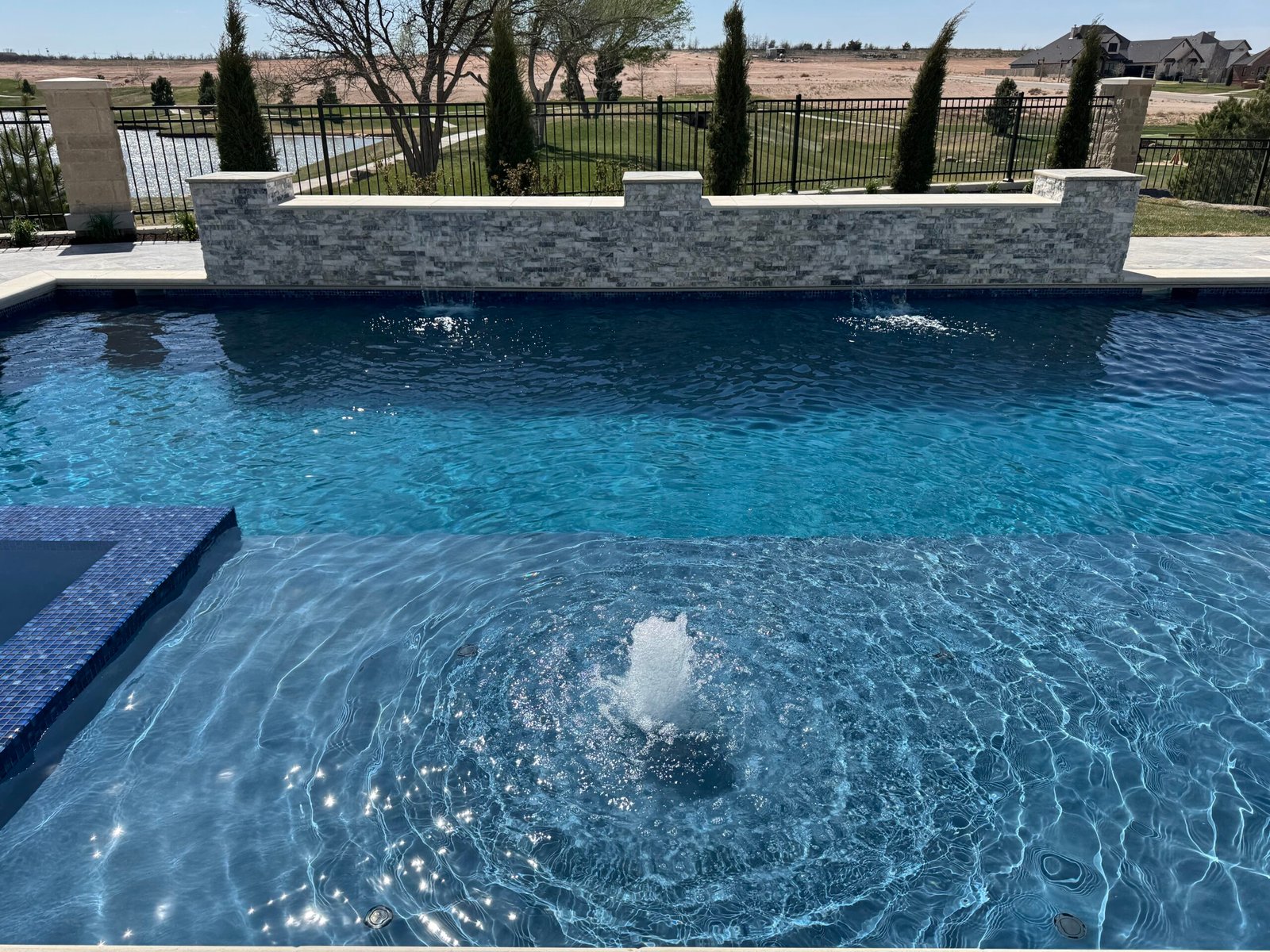
If you’re planning to install a pool, now is a great time to start the design process. At Pools Out Back, we’re proud to help Amarillo homeowners bring their backyard dreams to life with custom inground pools designed for Texas weather—including tips on protecting your pool in winter from day one.
Whether you’re closing up for the season or preparing to build a pool that’s ready for year-round enjoyment, our team is here to help.
Contact us today or visit our office in Amarillo to learn more about building and maintaining the perfect pool.[/vc_column_text][/vc_column][/vc_row]