

How Does a Pool Filter Work?
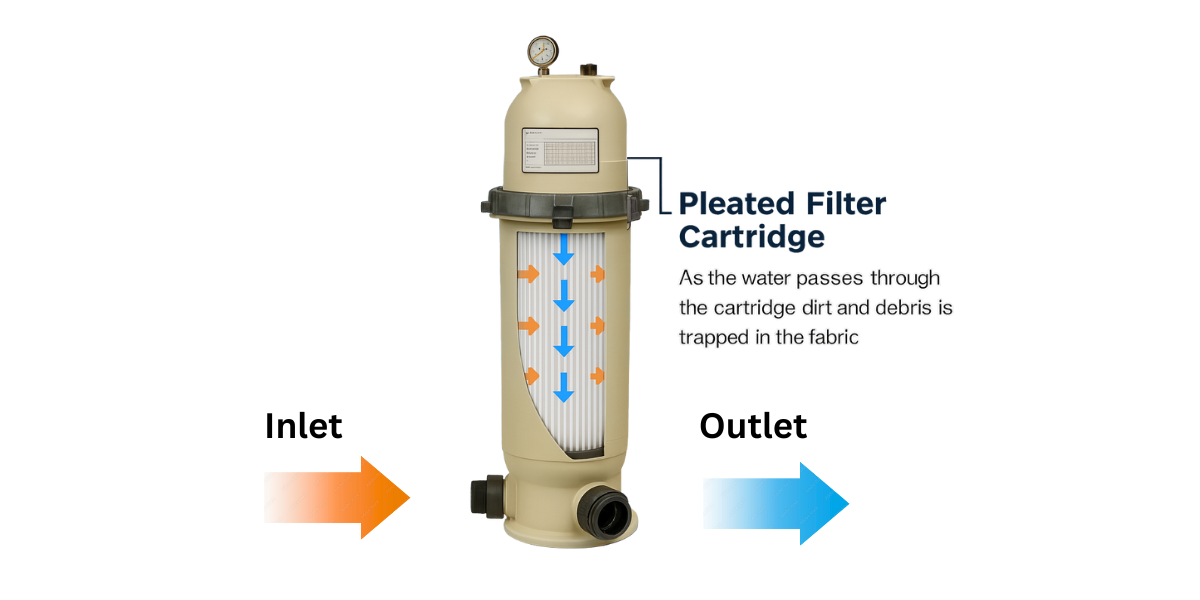
A pool filter is a key part of your pool’s circulation system. It works closely with your pool pump to continuously remove contaminants such as dirt, body oils, pollen, debris, and even microscopic particles from the water. The pool pump pulls water through the skimmer and main drain, then pushes it through the filter. Once filtered, the clean water returns to the pool through return jets.
There are 3 main types of swimming pool filters, each using a different medium and process to trap contaminants:
Sand-Based Pool Filter Systems
A sand filter uses specially graded silica sand as the filtration media. As water passes through the sand bed, debris as small as 20–40 microns gets trapped in the spaces between the grains. Over time, as debris builds up, the filter becomes less efficient and requires backwashing to flush out the accumulated dirt. Sand filters are durable, low-maintenance, and commonly used in residential and commercial pools.
Cartridge Pool Filtration Systems
Cartridge pool filters use a cylindrical cartridge made of pleated polyester or paper-like material to filter debris down to 10–20 microns. These filters are known for their superior water clarity and energy efficiency because they operate at lower pressure than sand filters. Cartridges are easy to remove and clean, typically requiring a rinse every few weeks and a deep clean periodically.
DE Pool Filter Systems (Diatomaceous Earth)
DE filters offer the highest level of filtration, removing particles as small as 2–5 microns. These filters contain grids coated with diatomaceous earth powder, a naturally occurring, fine white powder made from fossilized algae. DE filters require backwashing to clean out the used powder and must be recharged with new DE after each cleaning. While they require more upkeep, they provide the clearest pool water of all filter types.
The performance of your filter system depends on several factors: the type of filter you use, the condition of the filter media, the flow rate of the water, and how regularly you perform pool filter maintenance. A clean and well-functioning filter not only improves water clarity, but also helps maintain balanced pool chemistry, reduces strain on your pool pump, and extends the life of your entire filtration system.
How Long Do Pool Filters Last?
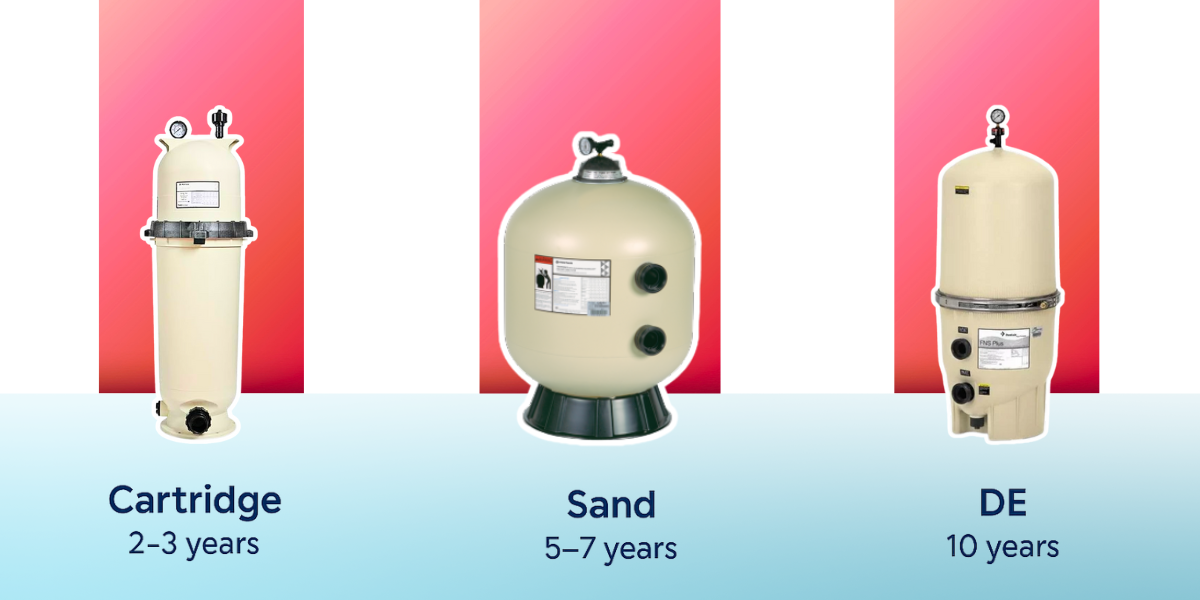
The lifespan of a pool filter depends on the type of filter, frequency of use, water conditions, and how well it’s maintained. The filter tank or housing can last at least 10 years, but the filter media, like sand, cartridges, or DE grids, needs to be replaced more often to keep the water clear and make sure it filters properly.
How Long Do Sand Filters Last?
A typical sand filter system lasts between 5 and 7 years with consistent maintenance. However, the pool filter sand inside should be replaced every 3 to 5 years. Over time, the sand becomes smooth and compacted, reducing its ability to trap debris. Cloudy pool water, more frequent backwashing, and poor filtration even with balanced water chemistry are all common signs that the filter sand needs to be replaced.
To extend the life of your sand media, it’s important to perform regular filter maintenance such as backwashing and using a sand filter cleaner to remove oils, lotions, and organic buildup. In pools with high swimmer loads, trees nearby, or dusty conditions, sand may need to be replaced closer to the 3-year mark.
Lifetime of Cartridge Pool Filters
The average cartridge filter lifespan is between 2 and 5 years. This is dependent on how frequently the pool is used, how dirty the water becomes, and how often the cartridge is cleaned. Over time, fine particles, sunscreen oils, and calcium deposits clog the filter pleats, reducing flow and filtration quality.
Cleaning the cartridge with a garden hose every few weeks and soaking it in cartridge filter cleaner a few times per season can help extend its life. If you’re cleaning the filter more often and water still isn’t clear, it’s usually time to replace the cartridge.
How Long Should a DE Pool Filter Grid Last?
DE pool filters (diatomaceous earth) offer the highest filtration quality, capturing particles as small as 3 to 5 microns. The DE powder is replaced after each backwash. A well-maintained DE grids pool filter can last 7 to 10 years, though damage or heavy use may shorten that lifespan.
If you see DE powder returning to the pool, experience high filter pressure that doesn’t resolve with cleaning, or notice tears in the fabric of the grids, it may be time to replace them. Performing routine seasonal DE filter maintenance helps preserve grid life, maintain proper flow, and ensure consistent water clarity.
Signs Your Filter Needs Replacement
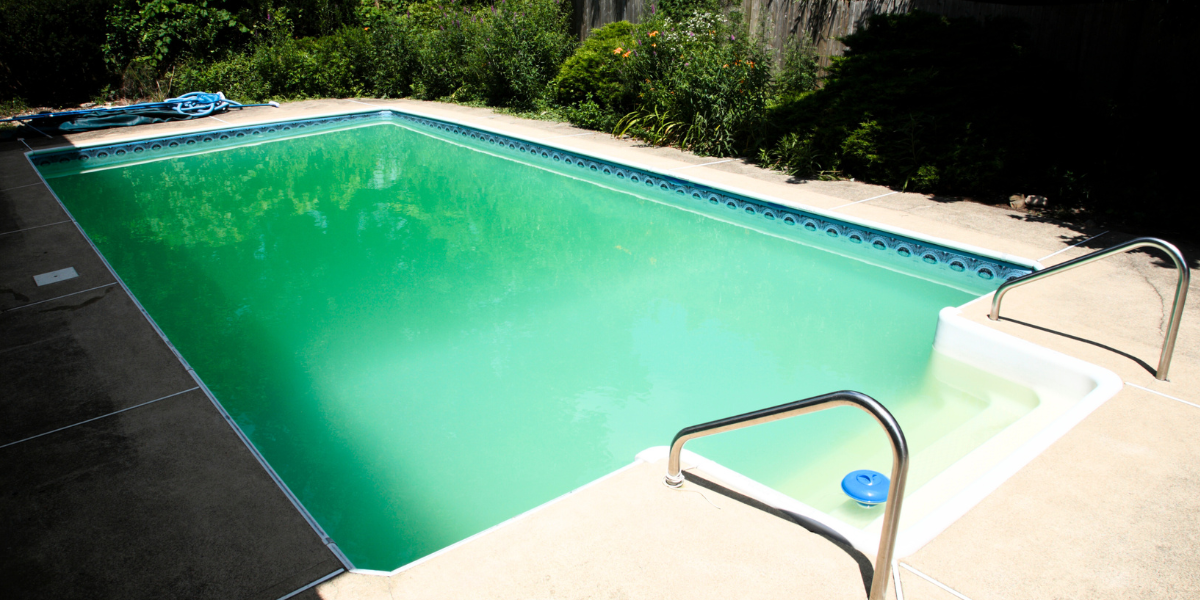
Cloudy or Murky Pool Water
Persistent cloudy pool water and murky water, even after shocking and balancing pool chemicals, may indicate that the pool filter media is no longer able to trap fine debris effectively. A properly functioning swimming pool filter should clear pool water within 24 to 48 hours after chemical treatment. If the pool water remains cloudy, it’s often a sign that the pool filtration system is struggling due to compacted or worn-out media.
Weak Water Circulation or Return Flow
Reduced flow from your pool return jets is often caused by a clogged or deteriorated filter. This can result in weak water movement, dead zones in the pool, and reduced skimmer performance. Poor water circulation also places added pressure on the pool pump, increasing energy consumption and wear on equipment.
High Pressure Readings After Cleaning Filter
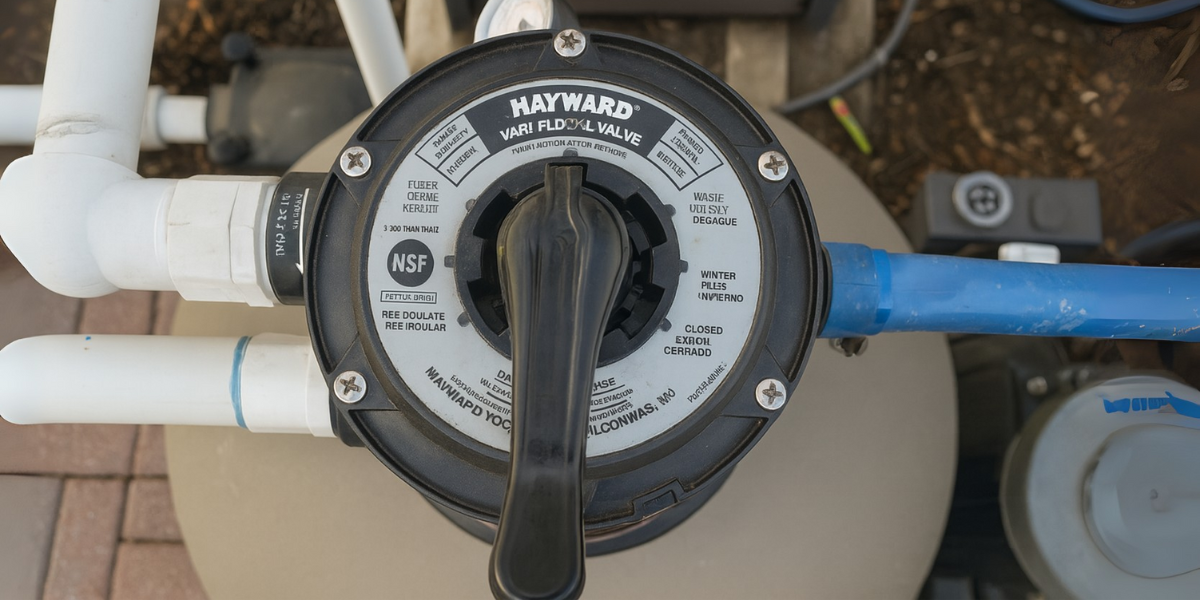 If your filter pressure gauge remains high even after backwashing or rinsing the filter, water is not passing through the media efficiently. High pressure without a difference in flow is a strong sign of compacted sand, clogged cartridge pleats, or worn DE grids. Keeping the pump running with a limited flow rate can damage it and make the filtration less effective.
Filter Clogs Quickly or Requires Frequent Cleaning
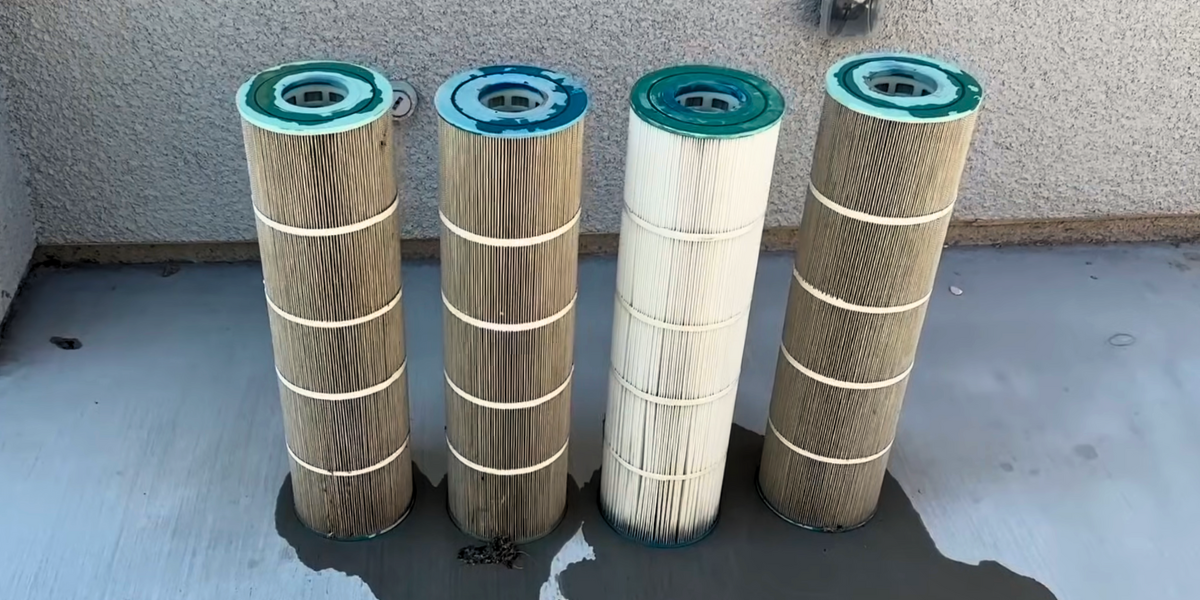 When you need to clean your pool filter more often than usual, the media may be saturated and unable to handle debris properly. A clean filter should run for several weeks between cleanings under normal conditions. If you’re backwashing every few days or rinsing cartridges weekly, it may be time to replace the internal media.
Physical Damage to Filter Parts or Media
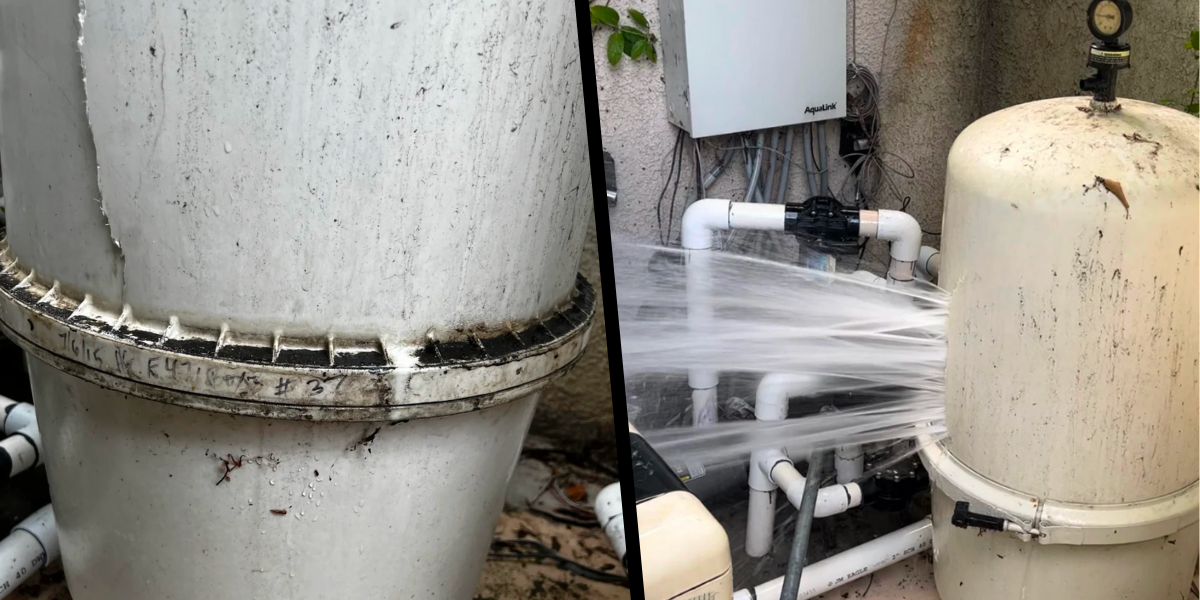 Visible damage to filter components can compromise the entire filtration process. Check for cracked filter tanks, torn filter cartridges, broken end caps, ripped DE grids, or cracked laterals in sand filters. Damaged parts allow debris to bypass the filter, leading to dirty water and potential damage to other pool equipment.
DE Powder or Sand Leaking into the Pool
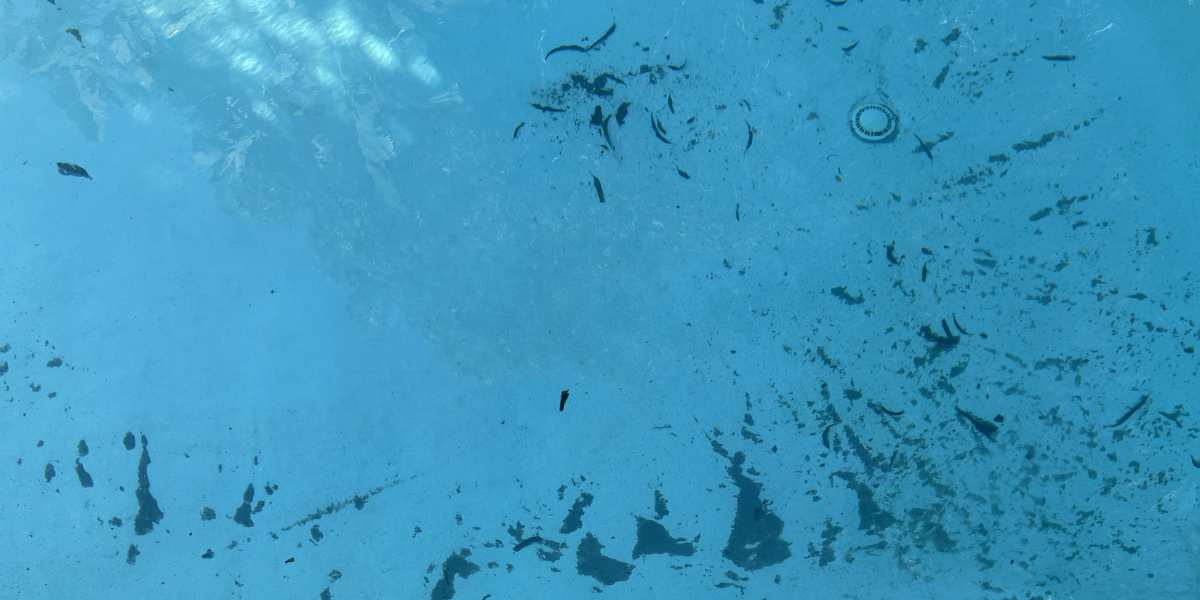 If you see DE powder or filter sand entering the pool through return lines, internal components such as the manifold (in DE filters) or laterals (in sand filters) are likely broken. This leakage reduces filtration quality and may create buildup on the pool floor. In DE filters, it could also indicate that the grids are damaged or improperly seated.
DE Powder Needs Frequent Refilling
When diatomaceous earth powder needs to be added more frequently than usual, it’s usually an indication that the DE filter grids aren’t holding powder well enough. This could be due to holes, worn fabric, or cracks in the grid frame. Without proper DE coating, the filter cannot trap fine particles, and water clarity will suffer.
Sand Appears Clumpy, Oily, or Channels Water
If the filter sand feels sticky, forms clumps, or develops oily residue, it has likely become coated with organic material such as sunscreen, oils, or algae. Another clear sign that the media needs to be replaced is when water flows through the sand instead of spreading out evenly. Sand should always feel rough and loose when you touch it.
Filter Is Past Its Recommended Lifespan
Each type of pool filter media has a limited service life: 3 to 5 years for sand, 2 to 5 years for cartridges, and 7 to 10 years for DE grids. Even if there are no visible issues, old media becomes less effective over time. Replacing aging filter elements can restore performance, improve water clarity, and reduce the need for excessive chemical adjustments.